world premiere
Codeborn
ZARA ALI
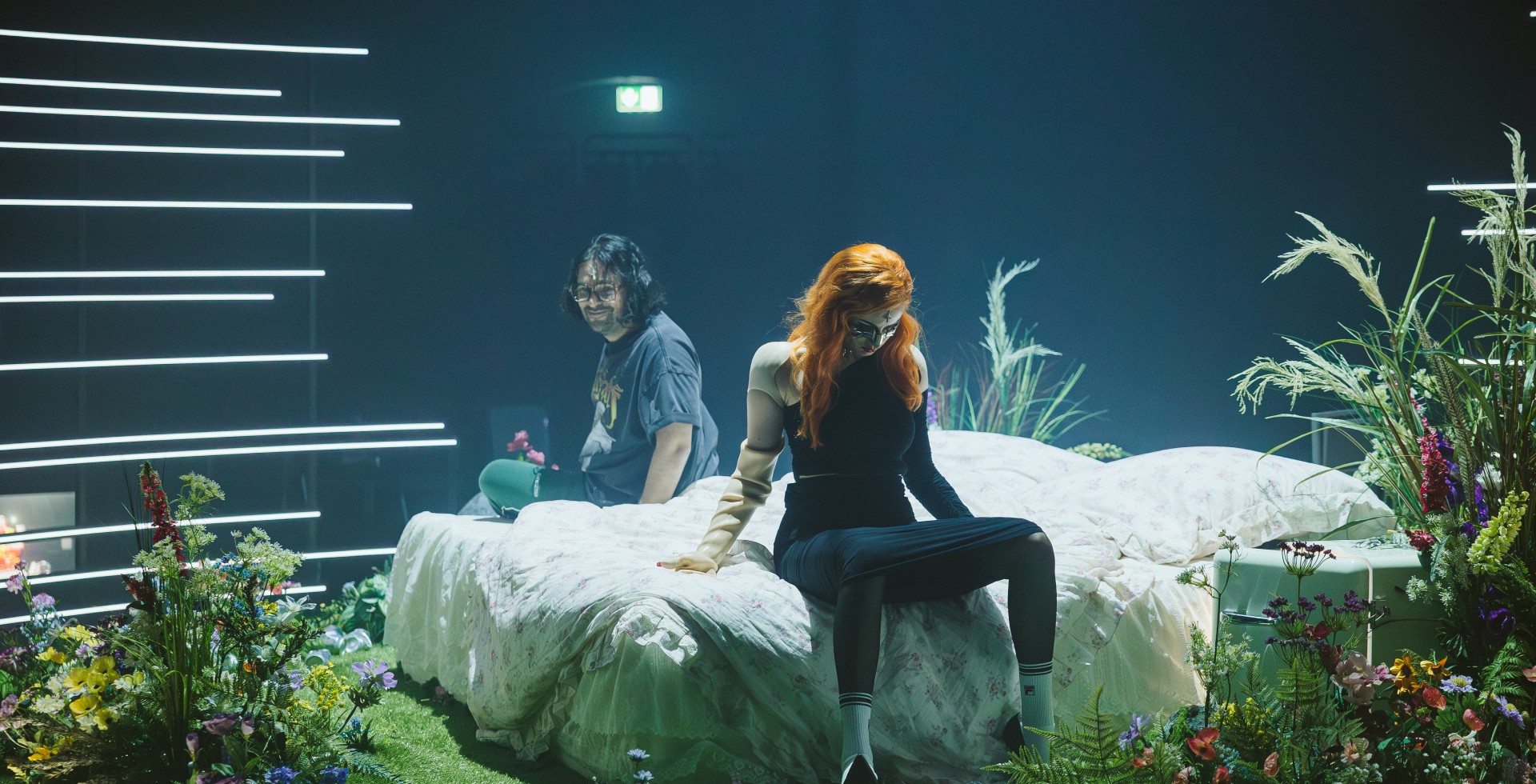
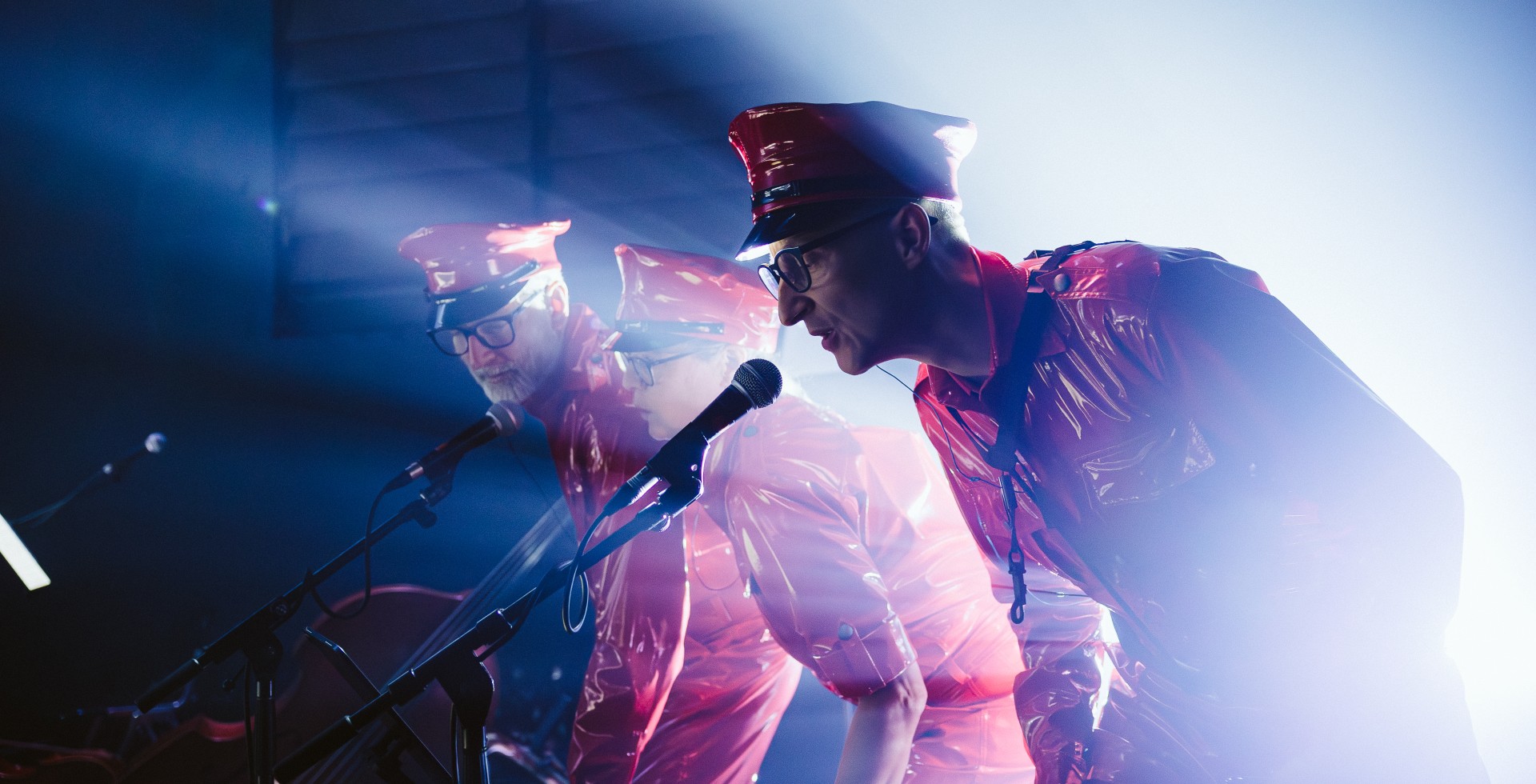
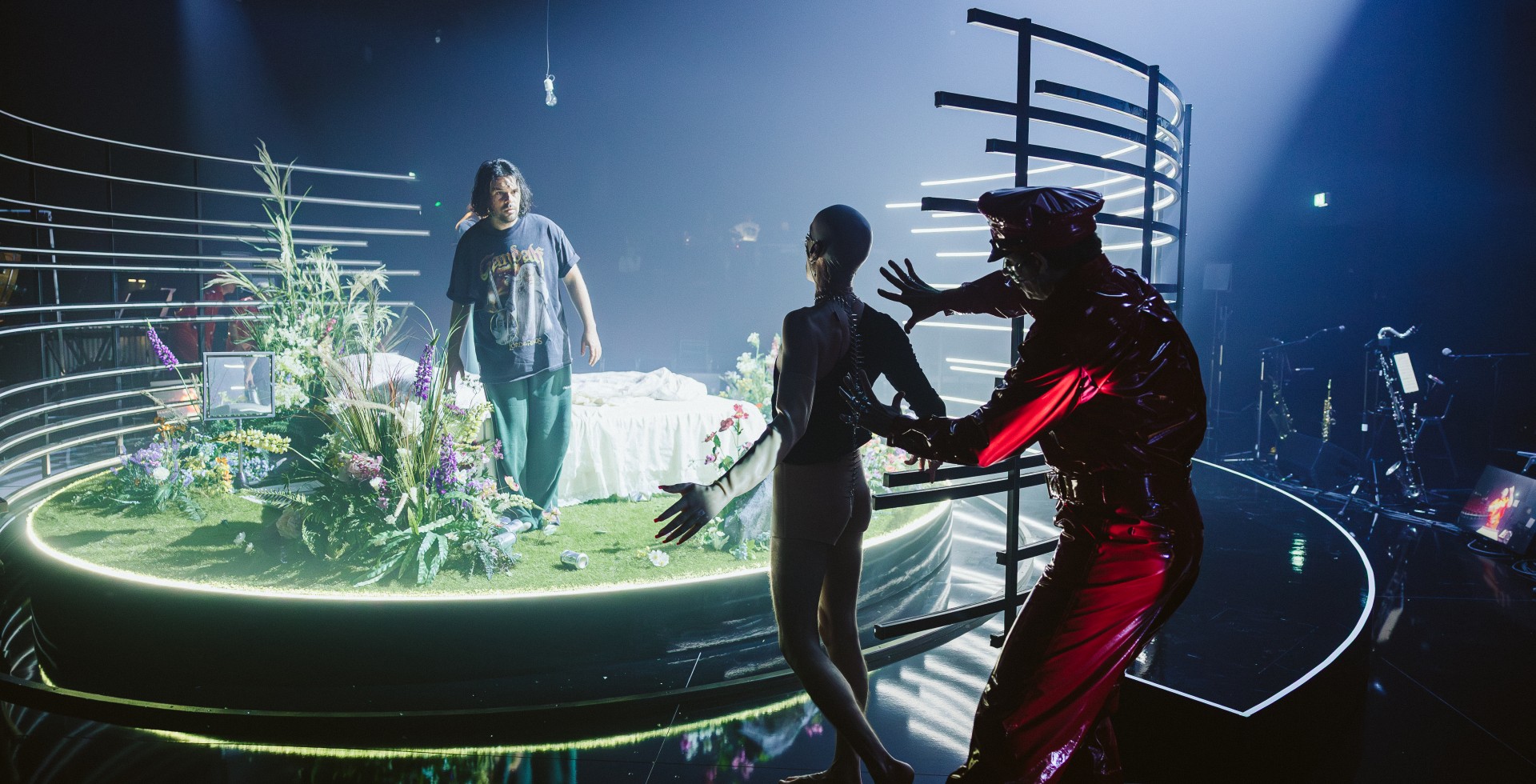
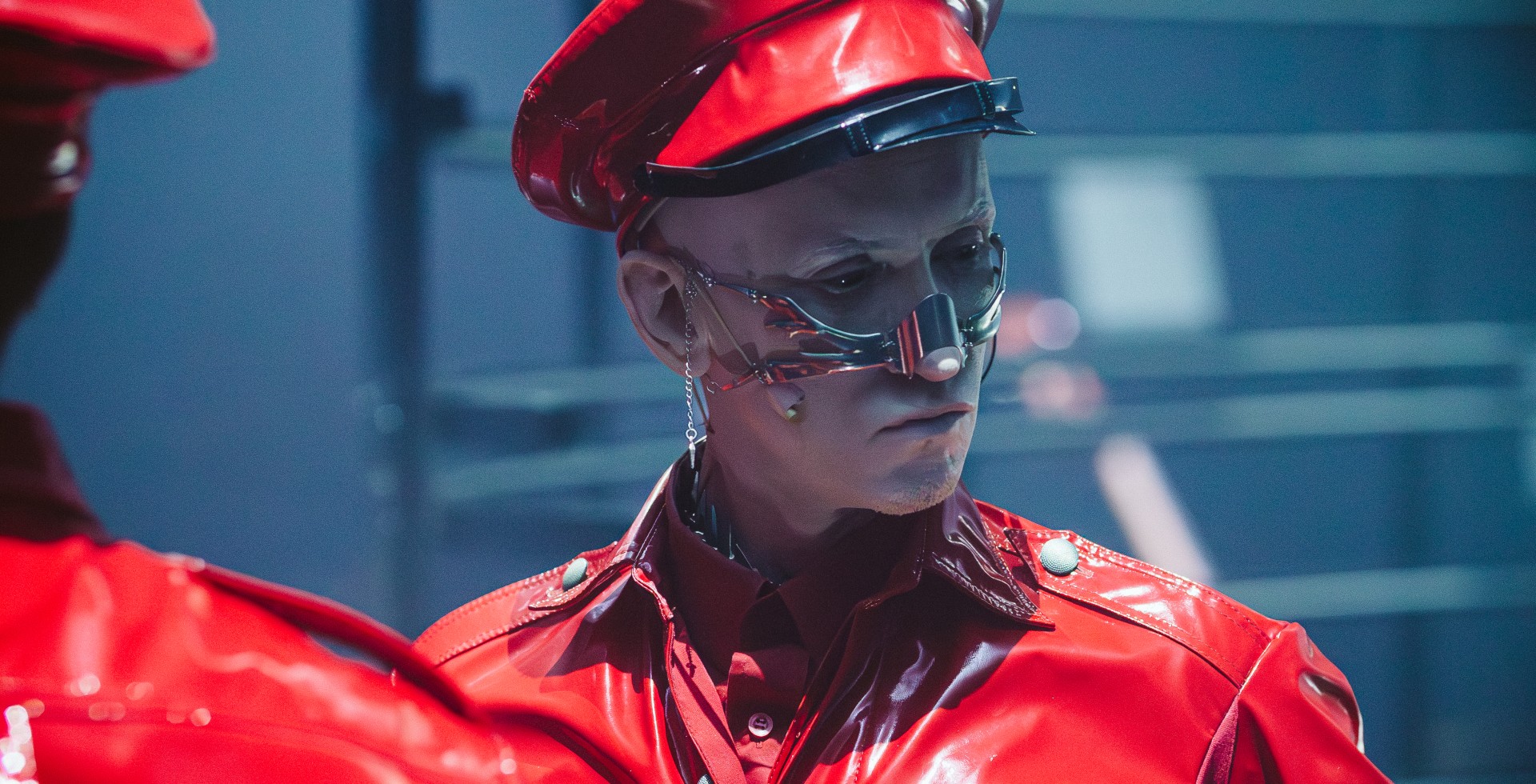
In “Codeborn” the world is subjected to an artificial intelligence. An unstoppable process of transformation begins that eludes any explanation whilst at the same time evoking fascination and uncertainty. Visions of power escalate into infinity, old hierarchies collapse, and impossible encounters become reality.
In “Codeborn” the world is subjected to an artificial intelligence. An unstoppable process of transformation begins that eludes any explanation whilst at the same time evoking fascination and uncertainty. Visions of power escalate into infinity, old hierarchies collapse, and impossible encounters become reality.
Zara Ali's music theatre rejects both doomsday sentiment and cultural pessimism – it is neither utopia nor dystopia. Her music encompasses the entire spectrum of radical change and makes the unimaginable audible.
FRI
08.05.
20:00
— 21:10
SAT
09.05.
20:00
— 21:10
SUN
10.05.
18:00
— 19:00
In “Codeborn” the world is subjected to an artificial intelligence. An unstoppable process of transformation begins that eludes any explanation whilst at the same time evoking fascination and uncertainty. Visions of power escalate into infinity, old hierarchies collapse, and impossible encounters become reality.
Zara Ali's music theatre rejects both doomsday sentiment and cultural pessimism – it is neither utopia nor dystopia. Her music encompasses the entire spectrum of radical change and makes the unimaginable audible.
Composition, concept, text:
ZARA ALIConcept:
HANNAH DÜBGENStage direction:
FLORENTINE KLEPPER, DEVA SCHUBERTMusical direction:
HANSJÖRG SOFKASet, costume and light design:
WOLFGANG MENARDIDramaturgy:
MARLENE SCHLEICHERConceptual contribution:
ZONIA ALINeuroscience-based counselling:
SIMON KHUVISNur (Soprano):
LUCY ALTUSDoll (Countertenor)
THOMAS LICHTENECKERCouncil Member (Tenor):
PAUL SCHWEINESTERGuy/Spriteboi (Baritone):
JULIEN HORBATUKENSEMBLE PHACE
Clarinet:
WALTER SEEBACHERSaxophone:
MICHAEL KRENNKeyboard:
MATHILDE HOURSIANGOUElectric guitar:
FRANCESCO PALMIERICello:
ROLAND SCHUELERKontrabass:
ALEXANDRA DIENZPercussion:
MANUEL ALCARAZ CLEMENTECo-production by Münchener Biennale and Tiroler Landestheater Innsbruck, in cooperation with Bayerische Staatsoper, Ars Electronica Linz and Klangspuren Schwaz.
Composition & libretto commissioned by the City of Munich for the Münchener Biennale.
With the kind support of Gisela-Gronemeyer-Stiftung.
BETWEEN VIOLENCE, CHAOS AND LONGING
A conversation between Zara Ali and festival dramaturg Marlene Schleicher on the world premiere of “Codeborn”
Schleicher: Can you remember the moment when you first had the idea about “Codeborn”?
Ali: It must have been about 2023. At the time I had started to look more deeply and privately at artificial intelligence. ChatGBT had just become a big thing. Moreover, for quite some time I had been grappling with Joscha Bach, a well-known informatist and cognitive scientist. In his research, he explores what it means for our existence when systems are no longer simply executed but begin to devise their own rules. It would be like us deciding to rewrite our own DNA in certain places: a physical intervention that raises, above all, philosophical questions.
Schleicher: In your compositional work, you often move between art and science. How are these two fields connected for you?
Ali: For me, they are very closely connected. I would never consider science and art without including philosophy. I move between these three worlds, which really cannot be defined independently of each other. Science thrives on experiments confirming or refuting hypotheses. A scientist seeks evidence and conclusions that shape their view of the world. This requires imagination and an epistemological understanding: what data do we actually want to collect? What do we want to know in order to better understand the world? What can we actually understand? And with regard to artificial intelligence: where do we want to deploy it?
Schleicher: It is precisely these questions that are explored in “Codeborn”, alongside the juxtaposition between beauty and threat in artificial intelligence. What is your perspective on artificial intelligence?
Ali: A moral dimension comes into play very quickly once we talk about artificial intelligence: the question of “right” or “wrong”. But if we look at the conflict from an aesthetic perspective, it is like the stars in the universe: beautiful at first - but get too close to them and they become a threat. I find this phenomenon far more fascinating. An aesthetic perspective allows for greater freedom. Immanuel Kant, for instance, distinguishes between the pleasant and the sublime; something that overwhelms us. Artificial intelligence definitely has the potential for the sublime: something vast, incomprehensible, that transcends our imagination. This is the perspective that interests me. I do not claim to decide what we should do with artificial intelligence or what is right or wrong about it.
Schleicher: In many places, “Codeborn” is reminiscent of our world, although it often drifts into the realm of the fantastical, inhabited by both human and non-human beings.
You travel frequently between the US and Germany and work on both continents. To what extent did your perception of the political situation in both countries influence the creation of the “Codeborn” universe?
Ali: Whenever I travel between Germany and the US, I sense a growing feeling of pessimism everywhere I go. Both systems seem unstable in their own way. For me, my art is a way of imagining something completely different, a kind of escape into other forms of existence. I often imagine what music would sound like to other beings. This mixture of violence, chaos and longing is also reflected in my music.
Schleicher: The characters in “Codeborn” have their own very unique way of speaking, some curious traits and a special relationship with objects. Where does your fascination with the absurd come from?
Ali: I love the writings of Vladimir Mayakovsky and Nikolai Gogol as well as Russian satire, which strike me as so timeless. They pick out individual aspects of the human condition — a kiss, a nose, a pair of glasses — and use them to create a whole character. That has had a huge influence on me.
Schleicher: During the process of composing, you’ve frequently talked about the music and composers who have influenced you musically. One of them is Henry Purcell. Where is Purcell to be found in your music?
Ali: It is the structure of Henry Purcell’s works that fascinate me. There are many cyclical elements and repeated motifs. It is precisely within this seemingly stark form that space for expression can emerge. I am currently thinking very consciously about simple musical forms, because new music—the discipline in which I was trained—is often too dense and complex. My music differs in many ways from what one might call academic music. In “Codeborn”, I engage not only with classical European art music, but also with Sufi musical traditions, where singing is intended to establish a connection with God, as well as with the blues. I try to think about music as openly and flexibly as possible and to convey this attitude in my compositions.

ZARA ALI
Composition, concept, text

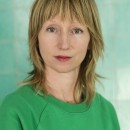
HANNAH DÜBGEN
Concept
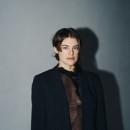
FLORENTINE KLEPPER
Stage direction
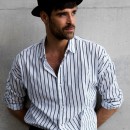
DEVA SCHUBERT
Stage direction
WOLFGANG MENARDI
Set and costume design
SAT
09.05.19:15
SUN
10.05.17:15
Codeborn: Was gibt's? Festival tent
45 Minuten bevor der erste Ton erklingt, fragen wir gemeinsam „Was gibt’s?“ und geben Ihnen erste Einblicke in die Musiktheaterproduktion „Codeborn“.
SAT
09.05.21:30
SUN
10.05.19:30