Münchener Biennale
The Münchener Biennale – Festival for New Music Theatre – celebrates its 20th anniversary in 2026!
Numerous international composers are confronting the complexities of our present-day in a bold and experimental manner, alert to the contradictions of our time. Together with their artistic teams they create music-theater worlds that sharpen our gaze, fuel resistance, and give us hope; they connect us and solicit conversation about unforeseen ways of watching and listening.
The artistic directors of the only global festival dedicated to world premieres of new music theater, Katrin Beck and Manuela Kerer, have made it their mission to seek out these spaces of encounter, of the surprising and the unexpected. At their side are exciting international, national, and local collaborators who have joined them on their journey.
The entire festival team welcomes local as well as international audiences, experts and the simply curious to discover numerous music theater productions - including for the first time for children – as well as installations, interventions in urban spaces, workshops and other events.
We look forward to welcoming you to Munich!
Code of Conduct
The Münchener Biennale – Festival für neues Musiktheater stands for diversity, openness, and respectful exchange in a democratic society. We welcome all visitors, artists, and partners who join us in experiencing music theatre as a space for dialogue and encounter.
We call on everyone involved in the festival to engage with one another in a respectful manner based on mutual appreciation and consideration—regardless of ethnic origin, gender, religion or belief, political views, disability, age, marital status, sexual identity or orientation, or social background.
The Münchener Biennale explicitly distances itself from racist, sexist, antisemitic, queerphobic, and any other discriminatory attitudes. On this basis, we are committed to a festival practice grounded in openness, tolerance, and inclusion.
We see it as our responsibility to create spaces for constructive dialogue, to allow for diverse perspectives, and to address sensitive topics with respect.
We are dedicated to ensuring that the Münchener Biennale remains a festival experience free from misconduct and harassment. Personal boundaries must be respected at all times in all areas of the festival. In cases of physically or verbally harmful or discriminatory behavior—including on social media— we reserve the right to take appropriate measures, up to and including exclusion from events or legal action.
We recognize that the complex nature of this work to foster reflection and raise awareness is an ongoing process; we take all reports of discriminatory behavior seriously and can refer individuals to professional counseling services if necessary.
If you have concerns, experience harassment, or witness an incident, please contact the Münchener Biennale team on site or via email at: feedback@muenchenerbiennale.de.
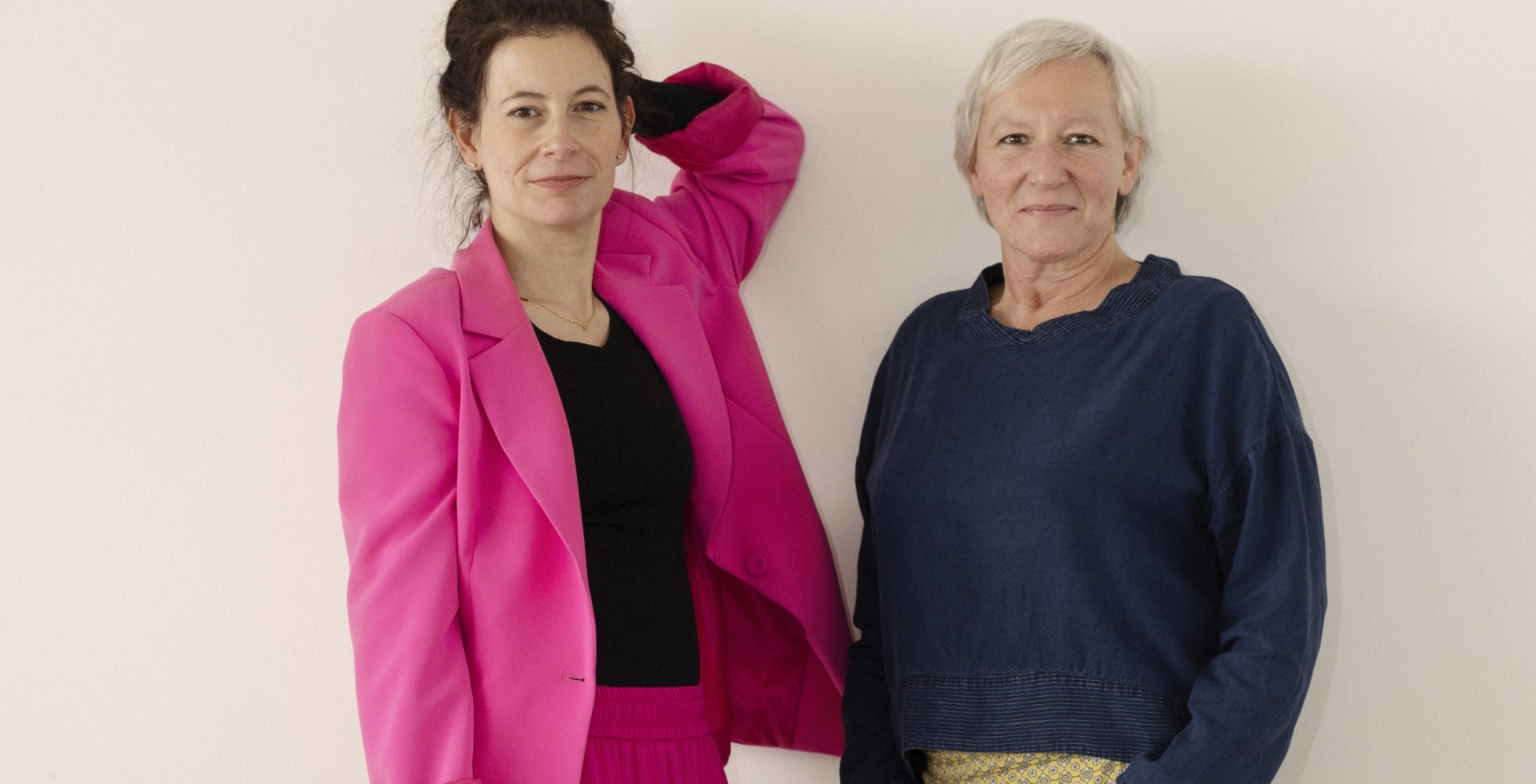
Photo credits: © Astrid Ackermann
Travel policy
The Münchener Biennale is a festival for new music theatre that brings together various international cooperation partners, institutions, and festivals in Munich, creating opportunities for encounters between artists and audiences. In line with the festival’s international orientation, regular travel is required.
We are committed to encouraging our employees, our partners, and all artistic, technical, and administrative production teams to actively contribute to a culture of resource conservation.
The following guidelines represent a voluntary commitment and apply to all travel arranged by us.
1. Use of transportation for arrival and departure
Bus and train travel
Rail travel is the preferred method of transportation. Bus or train travel from abroad to Germany is considered acceptable when the travel time does not exceed eight hours.
Flights
Domestic flights within Germany are generally avoided, and flight costs will typically not be reimbursed for reasons of climate protection. This also applies to flights to neighboring countries (particularly to well-connected major cities).In general, travel duration, distance, and length of stay must be reasonably proportionate. As a result, only the following types of flights may be taken:
Flights covering less than 800 km are permitted only when bus or train travel would take longer than eight hours.
Flights covering 800 km to 3,800 km require a minimum stay of five days.
Flights over 3,800 km require a minimum stay of ten days. The length of stay includes travel time. Direct flights are preferred over connections with stopovers.
Car travel
When traveling by car, the overall proportionality and the availability of more ecological alternatives are carefully considered. If car travel is needed for transportation or for reasons such as safety or accessibility, carpooling and electric vehicles are prioritized. Alternatives such as cargo bikes or bicycle courier services are used when the load makes this possible. In case of doubt, carrying out transport ourselves using a low-emission vehicle is preferred over outsourcing transport with high CO2 emissions. Additional time and staffing demands are considered reasonable in this context.
2. Local transportation
Within cities, public transportation or bicycles are used as the primary option. E-bikes, e-scooters, or electric scooters may be considered secondarily. The acquisition of rental bicycles for guests, artists, and staff will be explored.
3. Accommodation
The choice of accommodation influences the environmental impact of business travel. For overnight stays, we therefore select hotels that operate in environmentally responsible ways, including conscientious use of energy and water, sustainable purchasing practices, and effective waste management.
We select accommodations with the following considerations:
- All hotels should be located such that important destinations can be reached on foot, by bicycle, or by public transportation.
- Environmental certifications are considered when booking, or the hotel’s sustainability strategy is researched to verify concrete environmental measures. While larger hotels are more likely to have certifications, smaller hotels without amenities such as swimming pools often have a lower CO2 footprint per guest.
- Where possible, staying with private hosts or using sharing accommodations are climate-friendly alternatives.
4. Outlook
The implementation and ongoing development of the Münchener Biennale travel policy is part of a broader shift toward climate-responsible artistic production and presentation. The criteria described here represent a concrete starting point for the further necessary changes ahead.